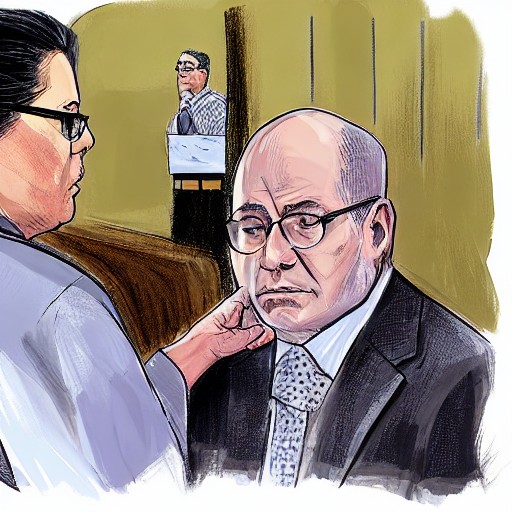
The United States has announced plans to deport Edward Nalwamba, a 78-year-old retired pastor from Uganda, back to his home country, which is at the epicentre of an Ebola outbreak. Nalwamba’s legal battle with immigration authorities stretches over two decades, and he claims that returning to Uganda would put him in danger.
Despite his health deteriorating rapidly since being detained in 2025, Nalwamba's case highlights the intersection of political persecution and humanitarian crises. His journey from a religious conference in the US to detention in Aurora, Colorado, reveals the complex realities of immigration law under the current administration.
His attorney, Joy Athanasiou, argues that Nalwamba’s health has suffered significantly due to his prolonged detention. The pastor's friend and colleague, Philip Eberhart, notes the alarming decline in Nalwamba's physical condition, questioning whether such a move is ethical during a global health crisis.
The broader narrative of US foreign policy under President Trump includes substantial cuts to international aid, exacerbating the situation on the ground. The White House and relevant agencies have not commented on the case, leaving his fate in limbo as the world grapples with an unprecedented medical emergency just a few miles away.
While supporters like Eberhart acknowledge the need for lawful means to address illegal immigration, they question the wisdom of deporting someone vulnerable during such a critical time. The case of Edward Nalwamba is one in a series of hard questions facing policymakers and the broader community.