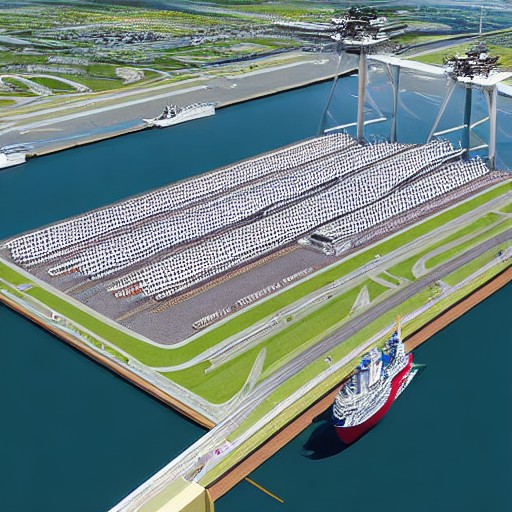
Standing on the grassy verge in Hook of Holland, I gaze at the Port of Rotterdam—Europe's busiest freight port. It processes almost as much cargo as all UK ports combined, with cranes, container stacks and oil refineries dominating the skyline.
The port handles hundreds of thousands of barrels of crude oil daily through five refineries, including Shell’s largest in Europe, and emits about 29 million tonnes of CO2 annually. That's equivalent to tens of thousands of return flights from Amsterdam to Los Angeles, according to Mark van Dijk at the Port of Rotterdam Authority.
Pressure is mounting as environmental groups sue for a concrete plan to phase out fossil fuels. The port aims to cut its own emissions by 90% between 2019 and 2030 but faces challenges like limited physical space for new developments and the need for more power cables.
A global level playing field, as advocated by Erasmus University Rotterdam's Harry Geerlings, is crucial. However, regional rules struggle with dual-fuel setups on ships, meaning they burn cleaner fuel when entering European waters but revert to cheaper, dirtier options once out at sea.
Rotterdam’s port authority wants change and is building infrastructure for a smoother transition but faces the dilemma of its biggest income still coming from fossil fuels. Can it truly go green without losing its logistics node status?