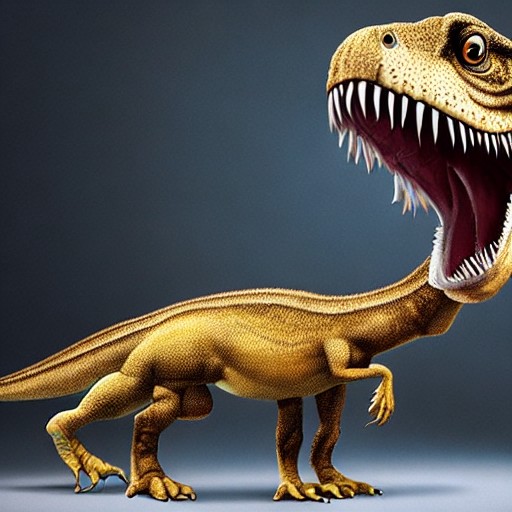
On July 14, Sotheby’s will auction off a 67-million-year-old Tyrannosaurus rex skeleton named Gus, valued at up to $30 million. This specimen is one of the largest and most complete ever discovered, making it scientifically significant but also highly marketable.
The trend of private collectors securing dinosaur fossils highlights concerns among paleontologists. These experts warn that specimens like Gus may be lost to scientific study, as museums cannot compete with the high prices offered by wealthy individuals at auctions.
Paleontologists argue that auctioning these fossils undermines science from the outset, beginning with commercial excavation companies that fail to document geological context fully. Mounting bones for display renders them impossible to study using modern techniques such as CT scans. Sotheby’s boasts of Gus's completeness and completeness but omits key details on its condition.
Further, the auction firm’s marketing claims about bite marks are scientifically dubious according to some researchers. While the company asserts these marks are clear evidence of a T. rex battle or scavenging, critics argue that such holes likely resulted from infection rather than combat.
The central issue is that private ownership precludes scientific study, potentially eroding our understanding of dinosaurs and their ecosystems at an alarming rate.