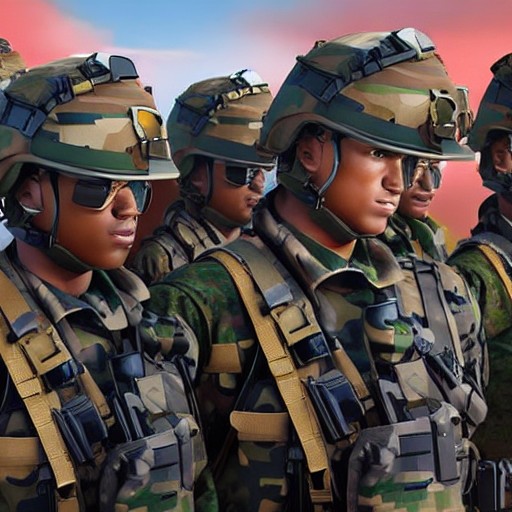
US Defense Secretary Pete Hegseth has proposed routine testosterone screenings and therapy for the armed forces, claiming it will boost performance. But endocrinologist Adrian Dobs suggests the plan is overly simplistic and potentially harmful.
Hegseth argues that lower combat standards were implemented to include women, aiming now to restore a 'warrior ethos.' However, Dobs highlights complications in diagnosing testosterone deficiency, with factors like circadian rhythms and individual circumstances complicating assessments.
The Pentagon’s plan could expose countless service members to unnecessary risks. Testosterone therapy can lead to testicular atrophy, reduced sperm count, and increased blood thickness—risks that should not be taken lightly in the military context where fertility is crucial.
Hegseth's push aligns with broader movements promoting 'high T' culture, despite a lack of conclusive evidence. Critics argue for treating underlying medical conditions first before considering hormonal interventions, cautioning against the one-size-fits-all approach.