In 2017, Emily Olson from Colorado started selling custom dog portraits on Etsy. By 2021, her sales had soared to $40,000 and her YouTube following hit 180,000. However, in 2022, a flood of AI-generated art hit the platform, decimating Olson's business. Despite attempts to stay afloat, she eventually left for Shopify, frustrated with Etsy’s lax policies.
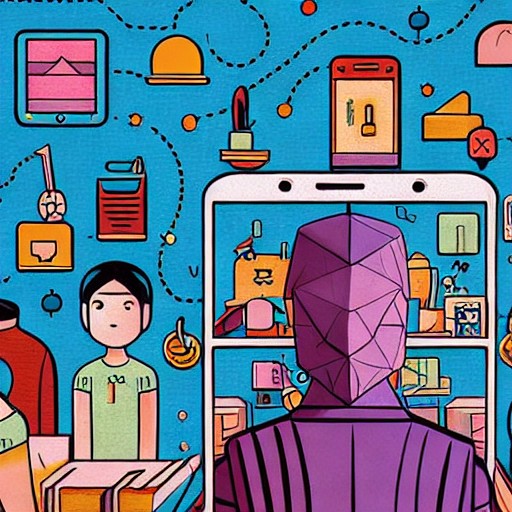
Longtime sellers like Olson are now migrating from Etsy due to declining sales and an influx of unregulated AI content. Fybe, a new online crafts marketplace that explicitly prohibits AI-generated art, has emerged as an alternative. On r/EtsyCommunity, angry sellers complain about the quality and authenticity of products.
Etsy’s gross merchandise sales have declined, partly due to competition from sites like Temu and Shein. While the platform claims it is protecting human creativity, sellers argue that AI-generated content is eroding their trust in the site. As more businesses embrace AI, Etsy may find itself increasingly at odds with its original ethos.
James Ossman, Etsy’s vice president of customer operations, acknowledges the challenges but maintains the platform remains true to its values. However, many sellers feel betrayed and are seeking new avenues for their craft.