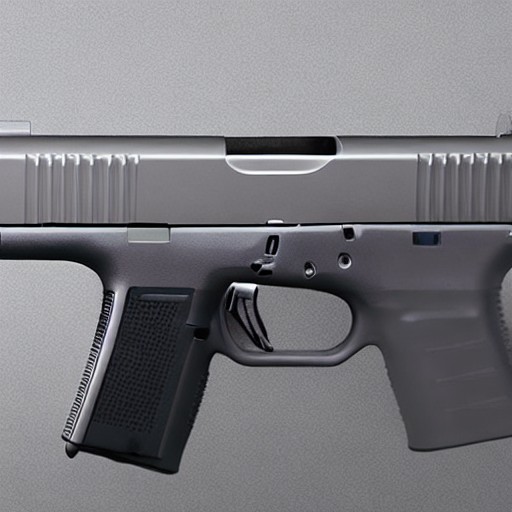
A 3D-printed e-reader case shaped like a gun has sparked debate on the feasibility of mandating gun-blocking software. Luke The Maker, creator of the ‘Gundle’, showcased his wacky accessory in Louisville, Kentucky, but lawmakers across the US are pushing for legislation that might stop not just guns, but any printed object resembling one.
California and New York have already passed such laws, leaving it to industry experts to decide if the technology is even possible. Critics argue false positives could block non-guns, while supporters believe it’s necessary to combat ghost guns and illegally manufactured weapons. An associate director at the Electronic Frontier Foundation notes that handguns, like the one Blackford modeled his case on, are particularly challenging due to their ambiguous shapes.
Techniques range from simple hashing to more advanced AI analysis, each with its own flaws. Dartmouth College’s Solomon Diamond explains that while receiver serial numbers make long guns easier to track, handgun frames share too many similarities with everyday objects like water hoses and toy guns. This means the tech may struggle to differentiate between a harmless e-reader case and an actual firearm.
For now, it seems these laws are more about public perception than practicality. But as 3D printing becomes more ubiquitous, the debate over what we can (and cannot) print will only grow.