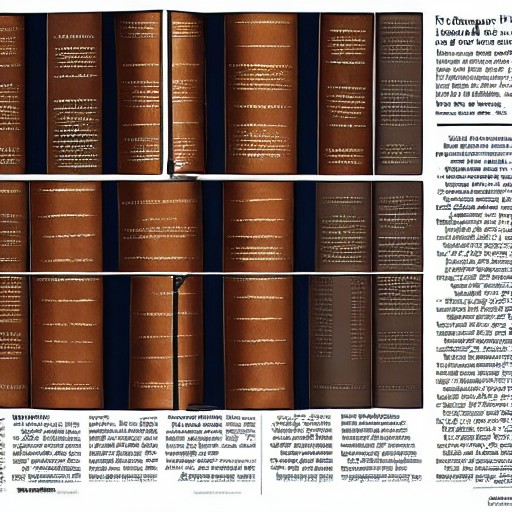
In an unprecedented exposé, a rare book bought by Amazon was found to be hiding an Airtag, revealing the company’s controversial practice of tearing apart these valuable texts to train their AI models. The event has sparked outrage among book lovers and raised ethical questions about the value placed on knowledge versus technological advancement.
According to 404 Media, a rare book containing an Airtag was traced back to an Amazon facility in Las Vegas where books were being dismembered for scanning. The warehouse entrance bore the ominous logo of a T-Rex devouring a book, a stark symbol of this destructive practice.
The revelation comes at a time when AI firms are locked in a race for cutting-edge technology that requires massive amounts of diverse training data. Amazon’s statement that they purchase books to develop and improve their services seems to gloss over the ethical implications of their actions. With rivals like Anthropic and xAI publicly stating they do not use rare or antique books, this practice could give Amazon an edge in the AI arms race.
Book sellers and publishers have long been concerned about the impact of AI on literary heritage. The destruction of unique texts to feed AI training raises complex issues around copyright, preservation, and the commodification of knowledge. As AI continues its rapid advancement, such practices could redefine how we interact with our intellectual legacy.