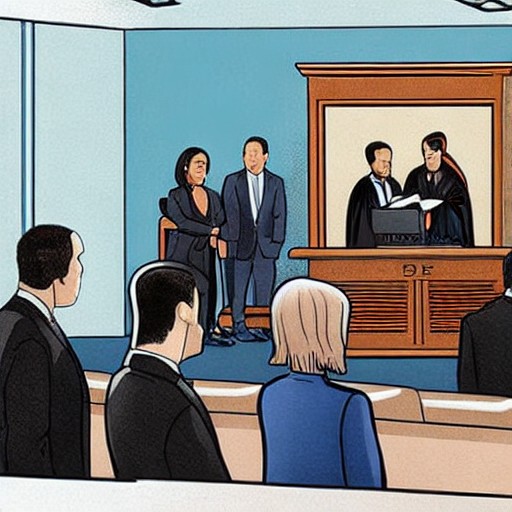
US district judge Mary McElroy was misled last week by a Department of Justice lawyer during a Rhode Island hearing regarding Trump administration efforts to access unredacted voter lists. The lawyer, Eric Neff, claimed no action had been taken with the data already collected from other states, but admitted that analysis has begun.
The revelation comes as critics express growing concern about the DOJ's voting section, which has undergone a significant transformation since President Trump assumed office. Newly installed lawyers have pushed for unredacted voter roll information, leading to lawsuits and court battles in 30 states so far. Courts have dismissed most of these cases.
Critics argue that sharing such sensitive data poses significant security risks, citing potential financial harm if any three data points—Social Security number, driver's license number, or date of birth—are compromised. Despite repeated claims from the DOJ, no clear explanation has been given for what the data will be used for.
The situation remains unclear as to whether Neff deliberately misled the court or was unaware of internal activities, sparking concerns about experience and professionalism within the DOJ's voting section. As states continue to push back against these demands, the integrity of election data protection is under scrutiny.