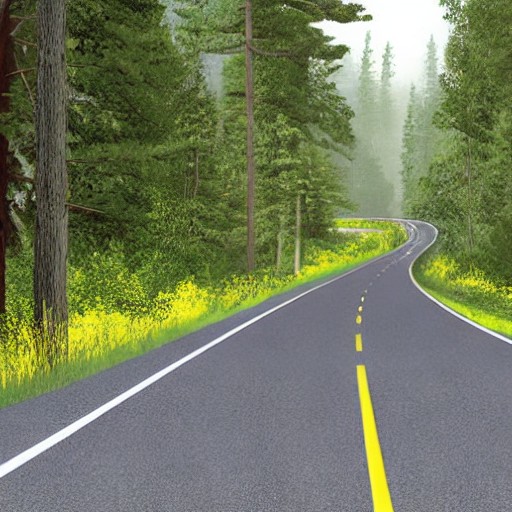
Pause and listen—what do you hear? Amidst the hum of civilization, the once-roadless areas are facing an existential threat.
The Trump administration’s proposed rollback of the 2001 Roadless Rule threatens to unravel decades of conservation efforts. This rule protected millions of acres from road construction and logging in America's national forests, safeguarding crucial habitats for wildlife such as eagles, bears, and salmon in places like Alaska’s Tongass National Forest.
The rollback removes prohibitions on developing roads and logging across nearly 59 million acres, claiming it will boost economic growth. However, this move has sparked controversy, with a public comment period inviting critique from those who fear the rule's undoing could irreparably harm ecosystems and water sources. In Congress, another attempt aims to nullify the law entirely, ensuring no future president can reinstate it.
Ecologists argue that maintaining roadless areas is vital for environmental health, clean water, and wildlife survival. These untouched landscapes support diverse species and provide a benchmark of what nature should be. The overwhelming public support for the rule, with more comments than any other in history, underscores its importance to Americans.
The Roadless Rule was born under President Clinton in 2001, protecting over 58 million acres across national forests from development. While mostly concentrated in western states and Alaska, roadless areas span 38 states and Puerto Rico, each playing a critical role in our nation's ecological balance.