Inside a makeshift workshop in Gaza, rebuilt after it was damaged by Israeli air strikes, Suleiman Abu Hassanin stands among piles of broken concrete, trying to give them a new form. His voice over the phone sounds tired, carrying the weight of what he is trying to do: rebuild in a place where building materials are no longer available.
Gaza’s construction crisis did not begin with the latest war. For years, the Israeli blockade restricted the entry of cement, steel, and other building materials, slowing reconstruction efforts across the enclave. But after nearly two years of intensified bombardment, the scale of destruction has pushed the system far beyond collapse.
According to UN estimates, Gaza now contains more than 60 million tons of rubble, while hundreds of thousands of displaced people continue to live in tents with little protection from heat or winter chill and no clear prospect for reconstruction. In that environment, rubble is no longer just debris. It is becoming one of the only construction resources left.
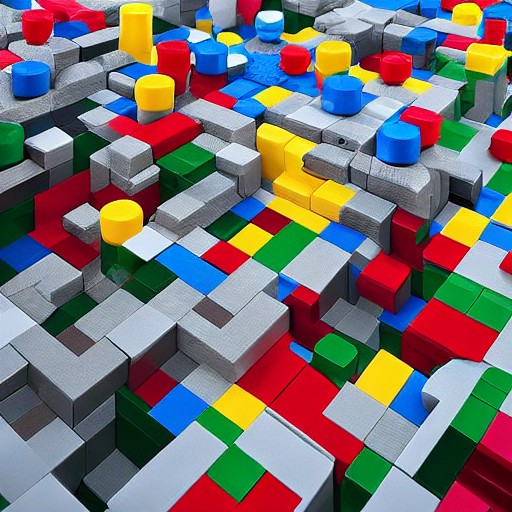
One local response is Green Rock, a project led by Abu Hassanin that aims to recycle the remains of destroyed buildings into usable Lego-like bricks. The process involves crushing and sorting rubble, then mixing it with local soil and alternative binding materials developed inside Gaza before compressing it into blocks using a machine built by hand.
The challenges are not only technical. They also include the lack of proper equipment and the broader political restrictions imposed by the Israeli blockade, which continues to limit access to essential construction materials. Despite the availability of skilled workers inside Gaza and technical support from outside, Abu Hassanin says funding remains the main obstacle preventing the project from moving more quickly toward implementation.